





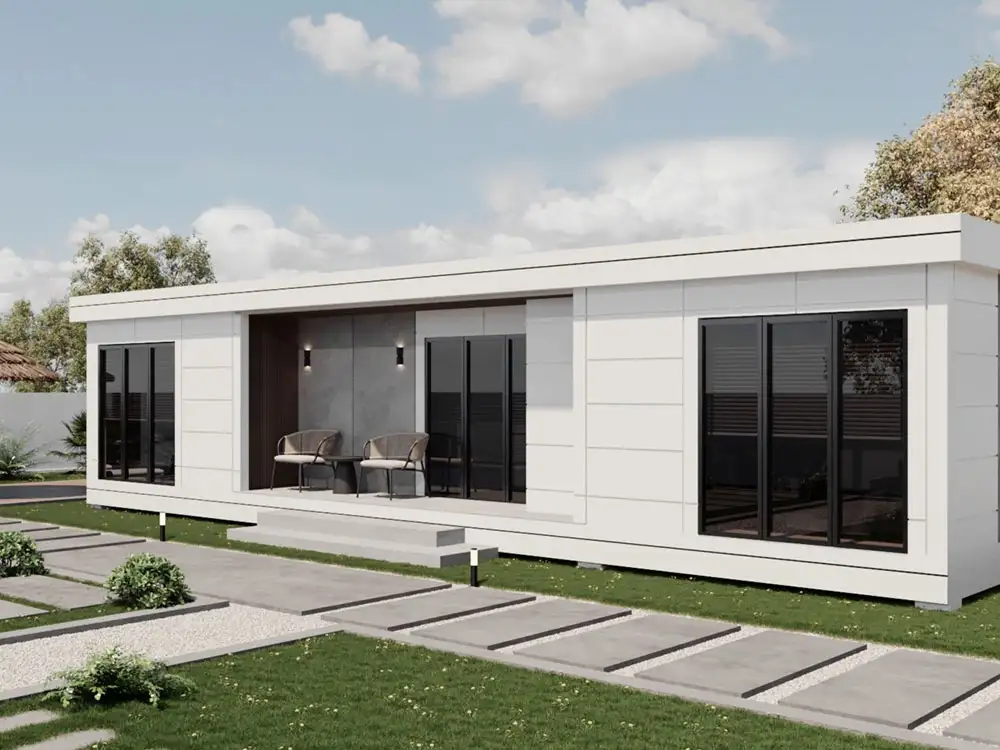

Climate activist Geoff Beacon says York council should build thousands of affordable, eco-friendly homes to get a grip on the city’s housing market
This is the third part of my wish-list for the new York Local Plan.
The first part called for increased food production by planning for more market gardens.
The second part argued for the construction of 30,000 extra affordable homes on top of the housing in existing plans.
I appreciate that many York homeowners and landowners may resist extra housing because this will slow the rise in the city’s property prices.
Many homeowners have benefited by hundreds of thousand pounds due to spiralling house prices. And landowners who received planning permission for new developments did better still.
For others, the shortage of housing has brought very high housing costs – both for those who rent and those who still wish to buy.

However, has the Local Plan set aside the financial interests of home owners and land owners? Probably not completely, because homeowners are voters and will dismiss politicians that make plans which they don’t like.
That’s why I propose a strategy that accepts inevitable compromises in the Local Plan but includes the addition of a large number of truly affordable homes to help the young and the poor with lower housing costs.
Having the potential of a large number of cheaper, environmentally sound homes will give York council some control over the housing market.
By providing more homes, rises in housing costs can be restrained by market forces.
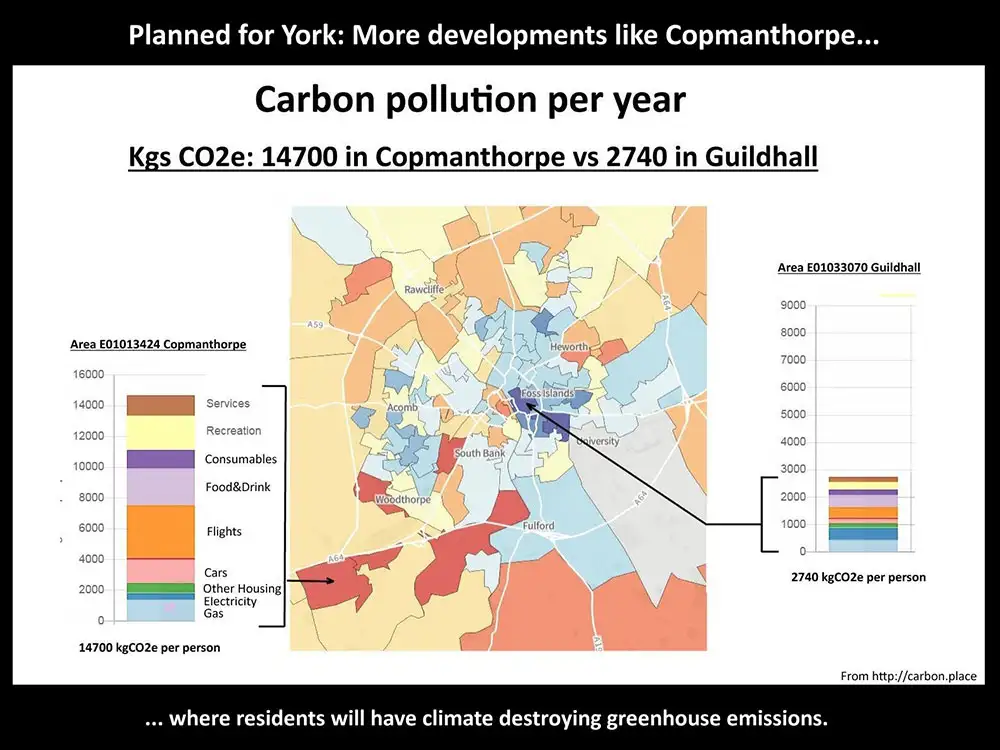
A few years ago I used data from the site carbon.place to show carbon emissions for different areas in York.
The suburban Copmanthorpe Ward had emissions of more than 14 tonnes CO2e per year per resident compared to inner urban Guildhall Ward of under four tonnes per year.
Data from the Potzdam Institute suggests that within a year Copmanthorpe residents will have exhausted their remaining carbon budget for 1.5C. (The remaining carbon budget is the individual’s share of the amount of greenhouse gases the world can emit before forcing the Earth’s temperature to increase by 1.5C as specified in the Paris Agreement).
The extra developments must, of course, cause low carbon emissions as well as cutting housing costs.
Housing types
Local Plans can specify the types of homes to be built. Housing types used for this scoping are:
- Prefab estates
- Terraced streets
- Semi-detached suburbia
- High rise flats
For the extra new developments at least, the planning gain which adds more than £150,000 to the cost of a new home in York can be avoided because the council can purchase necessary land without this extra cost.
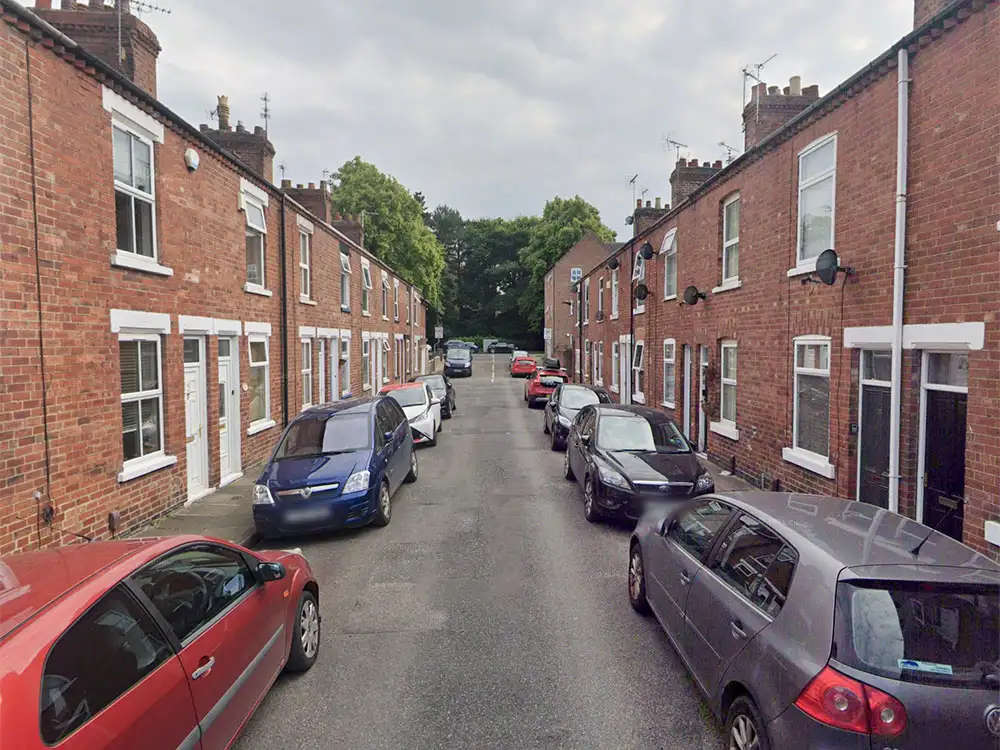
The council can also specify – or build – housing types of its choosing.
Here is a summary of the characteristics of different housing types:
1. Prefabs using modern methods of construction (MMC) can be much cheaper to build and can cause very low carbon emissions. Modern prefabs can be very comfortable: not to be confused with the worst historic prefabs. Historically, prefab estates have had a strong sense of neighbourliness.
2. Terraced streets can be reasonably environmentally friendly because fewer external walls. They have and have a good record of neighbourliness.
3. Semi-detached suburbia typically have high carbon footprints for construction being mostly of brick and mortar construction and (as mentioned above) house residents with high carbon emissions.
4. Multi storey flats cause high emissions in their construction but can house urban dwellers with smaller footprints. In general, they do not encourage neighbourliness and have little possibility of providing residents with gardens. Surveys have shown that most people want to have a garden.