





Efforts to tackle the decay of a historic York pub have been given the go ahead.
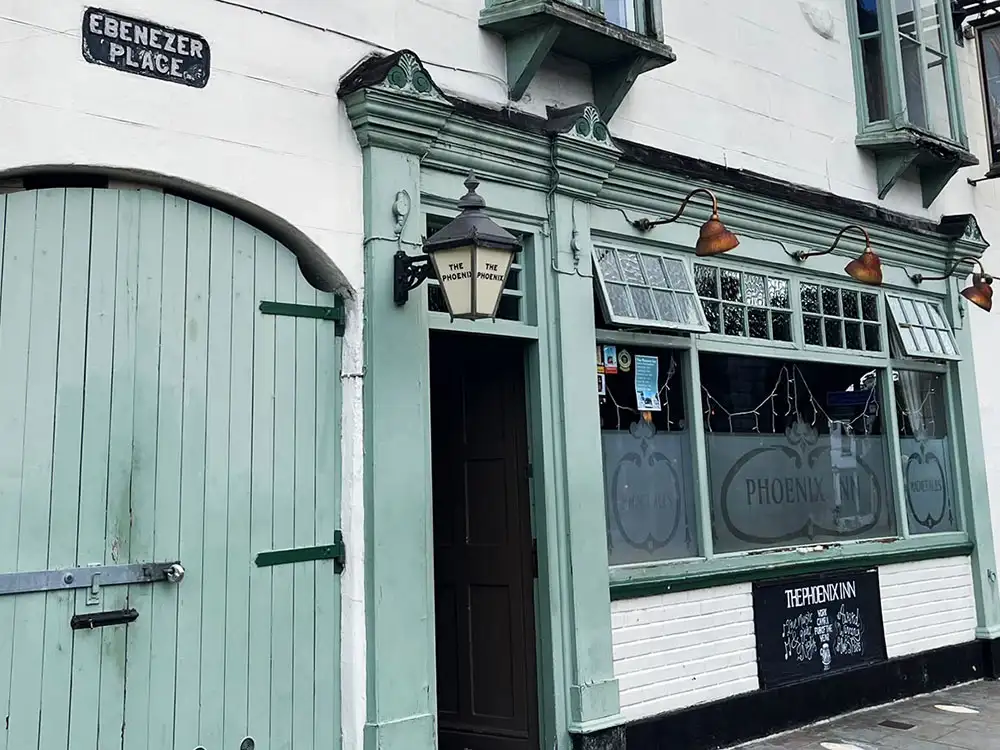
Plans to refurbish the windows and replace the front door and gates at The Phoenix Inn have been approved by City of York Council.
The application from Mark Rogers, the George Street pub’s landlord, stated the works would be done to the highest standards to sympathetically preserve the building for the long term.
Council planning officers stated plans for the restoration of parts of the Grade II-listed building, which was built in the 18th century, were acceptable.
The works are set to see windows at the front of the building refurbishment and frames which have worn away replaced.
The front door and wooden gate at the front of the building are also set to be replaced.
A condition survey carried out on the building recommended a number of repairs to the pub’s features.
The survey from Norton Joinery Ltd, which is set to do the works, stated: “Both first floor bay windows show severe signs of decay and are almost at the point where they could fall from the building.”
The Phoenix Inn dates from the 1700s and was remodelled in 1897.
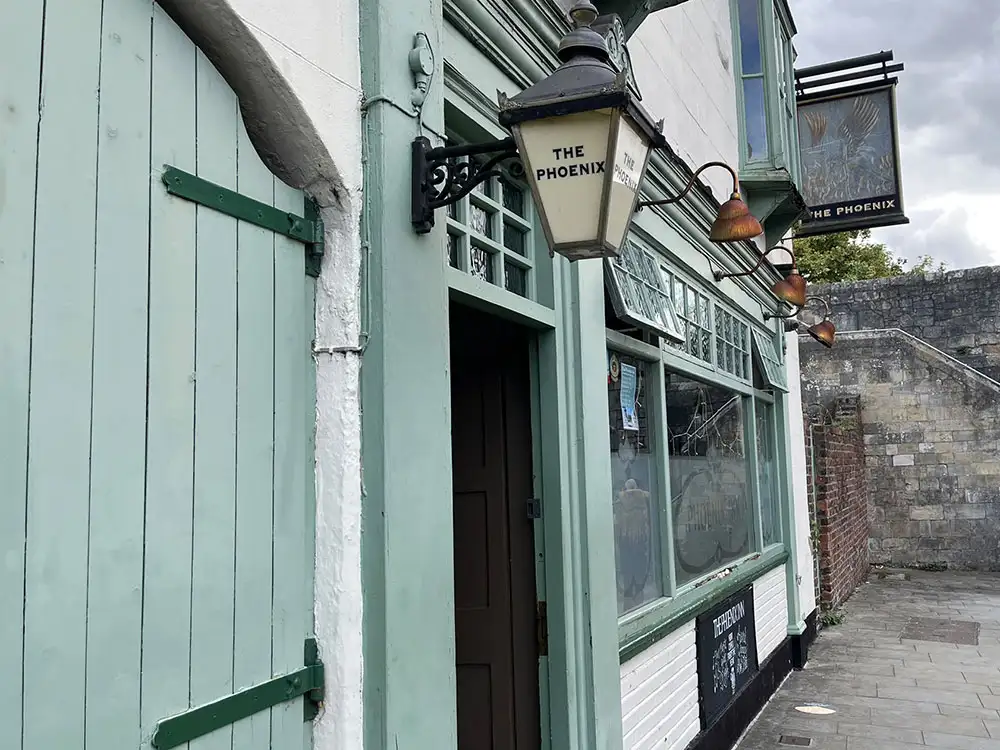
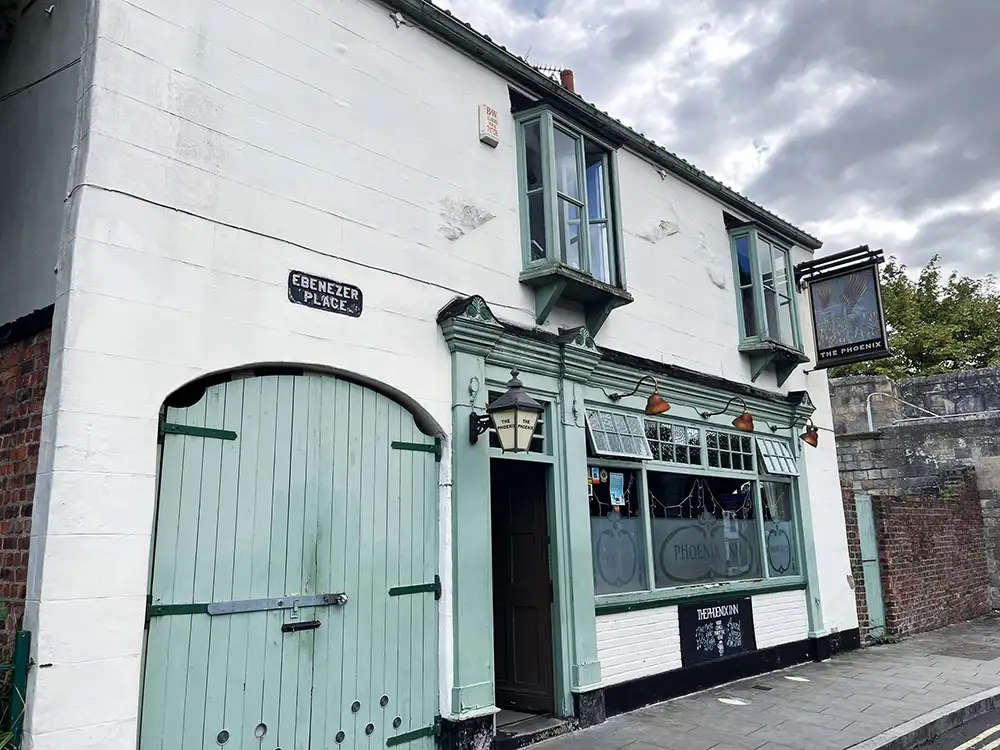
Further works in the 1930s saw the building’s ground floor windows changed to their current style.
It was originally called The Labour In Vain and its current name is thought to have been taken for The Phoenix Iron Foundry which used to be opposite the pub.
Plans stated the building continues to contribute to York’s social, economic and cultural environment.
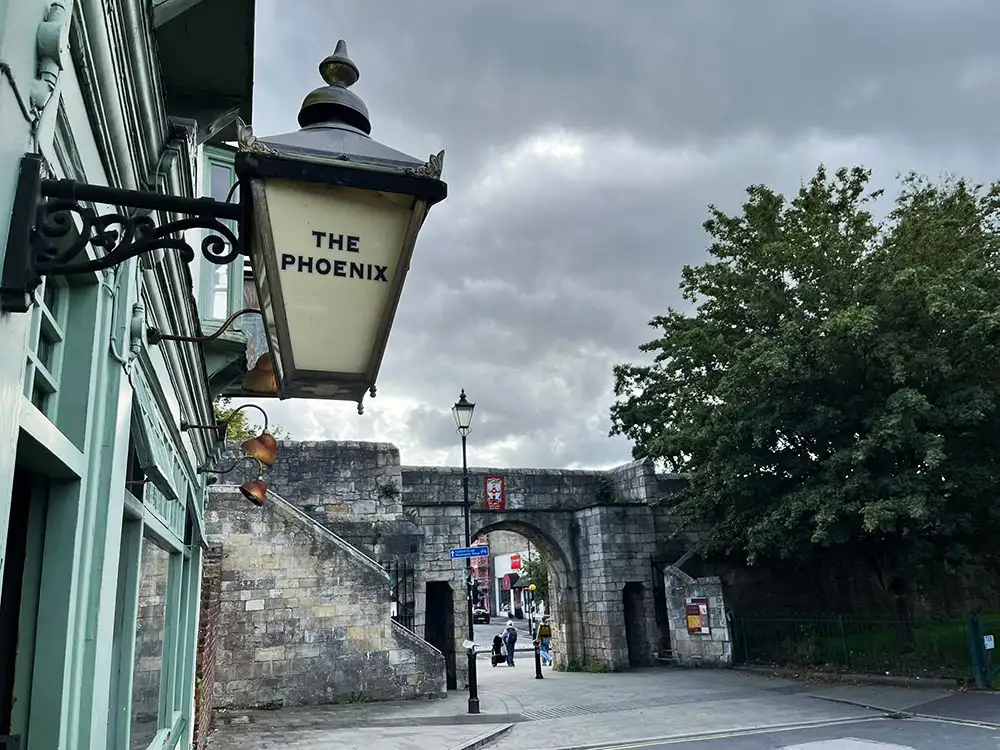
The application stated: “Being the first building to draw your eye when entering the city from the 15th century Fishergate Bar, to this day it remains not just a building of historical importance, but a social hub for people locally and from further field, York’s premier live jazz music venue as well as being a grassroots music venue for younger budding musicians.
“Our vision is to make sure that any repairs or remedial replacement work carried out will always only ever be proportionate and undertaken with the best interests of the asset’s long term future in mind, highlighting our understanding of it’s need for preservation.”