





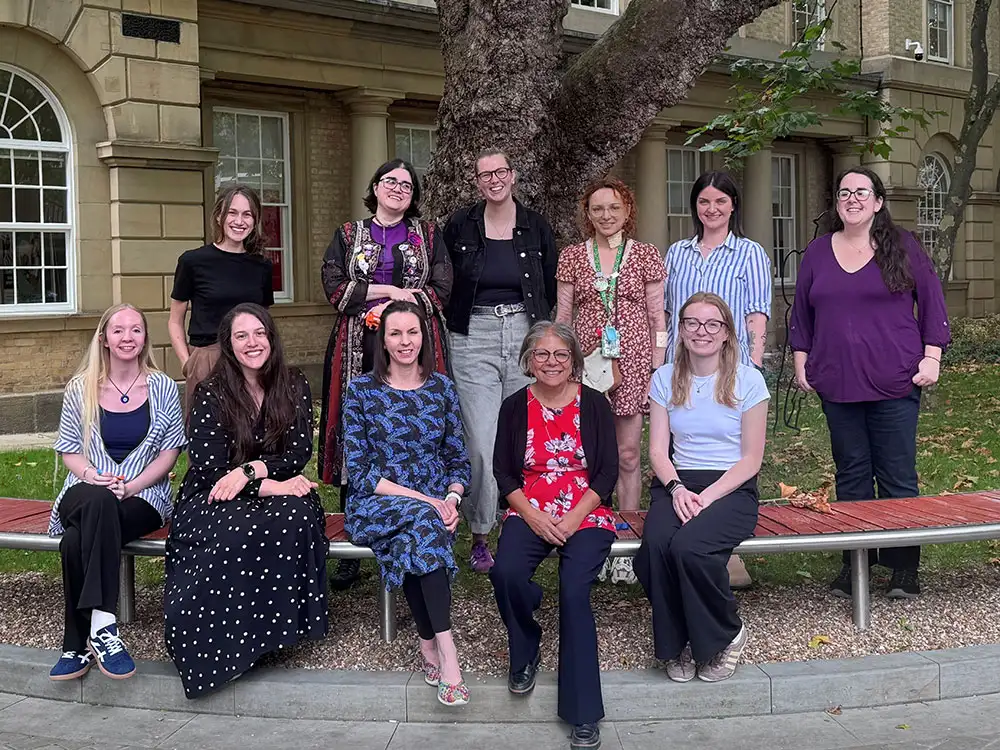

A free support service has launched in York to help neurodivergent adults, regardless of whether they have a formal diagnosis.
The initiative offers peer support, advice and practical workshops for anyone aged 18 and over who is autistic, has ADHD, is waiting for an assessment, or simply self-identifies as neurodivergent.
Delivered by award-winning charity Daisy Chain, the project aims to make getting help far easier and more accessible for people right across the city.
The service forms part of the Connecting Our City project, which brings together health partners, carers, and people with lived experience to build stronger community-based mental health networks.
The support package includes:
- Peer support drop-in sessions to connect with others in a safe environment
- Bookable one-to-one appointments for tailored guidance
- Advice and information
- ‘Understanding Myself’ workshops.
The expansion builds on commitments made in York’s All-Age Autism and ADHD Strategy, aiming to ensure residents get compassionate, practical support without long waiting times.
How to get involved
You do not need a doctor’s referral to access the service. Residents can contact the Daisy Chain team directly to book a session or find out more:
Online: Complete the self-referral form at daisychainproject.co.uk
Phone: Call 01642 531248 (select option 2)
Co-chairs of the York Mental Health Partnership, Professor Lynne Gabriel and Dr Steve Wright, highlighted the importance of the new offer: “Neurodivergent people and those with ADHD are more likely to struggle to manage their mental health.
“With increased knowledge, awareness and more diagnoses, this is essential support to help people optimise their wellbeing. Being delivered by peers from experts Daisy Chain, ensures compassionate and practical support when it’s needed.”
Cllr Lucy Steels-Walshaw, executive member for health and wellbeing at City of York Council, added that the scheme gives local families “more choice and easier access to community-based peer support” that can be booked directly.
NHS leaders have also welcomed the move, pointing to it as a strong example of health services and community charities working together to deliver help directly into the local community.