





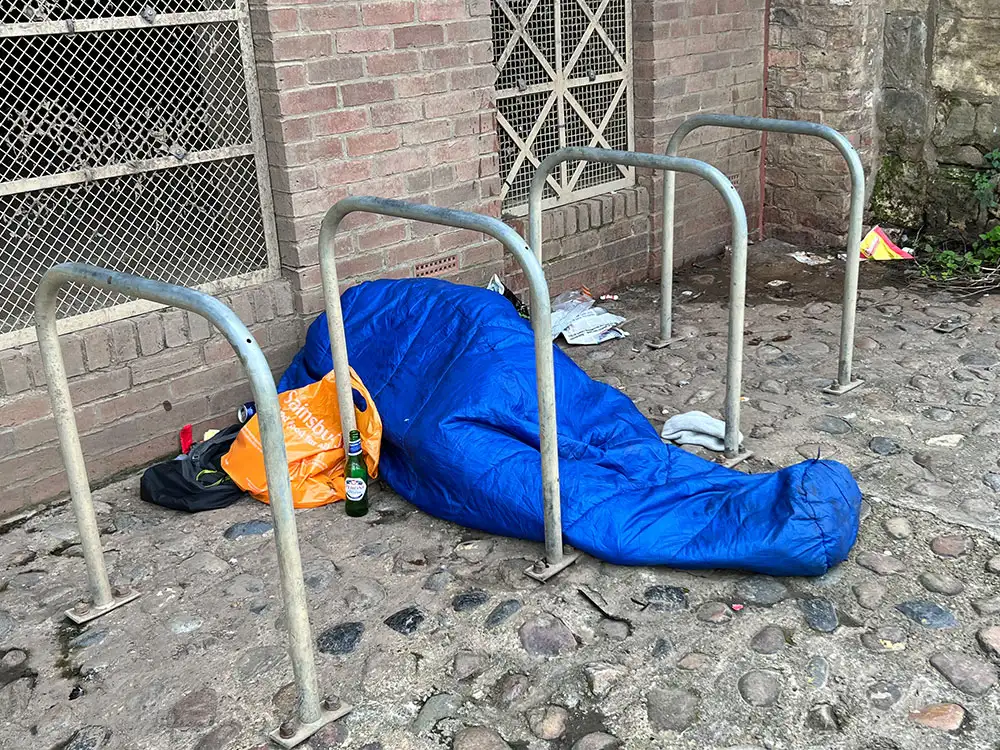

Rough sleepers in York could be housed in converted shipping containers and garages to help get them off the streets.
A City of York Council report said officials would need to look beyond traditional ways of housing people as 1,387 applications for accommodation were live as of mid-October.
The ease of coming to York and its tourism industry contributed to a thriving street culture and an influx of people with no local connections, the report states.
It comes as an update on the council’s Homelessness and Rough Sleeping Strategy was discussed yesterday (Monday).
York received £483,000 after Prime Minister Andy Burnham said in August he wanted to get everyone sleeping rough off the streets by Christmas this year.
The cash is the initial tranche of funding being given to councils over three years.
A further £432 million in Government funding to extend support to councils beyond next March is set to be unveiled by Chancellor John Healey in his Budget on Wednesday (28 October).
Growth in outsiders
Council figures showed 25 people were sleeping rough in York in 2025/6, according to a headcount done during that year.
The amount was down from 30 in 2024-5.
The council’s Labour administration said in July more up-to-date counts showed no one with a local connection in York was sleeping rough in the city.

But the report stated half of 2025-6’s rough sleepers had no local links and the growth in outsiders was increasingly an issue which was impacting services in the city.
The report stated: “The lack of barriers at York’s train station means it is possible to arrive without a ticket from all mainline destinations.
“Tapping into the generosity of the public can be favourable compared to other areas due to York’s thriving tourism industry, and the prevalence of county lines gangs means illegal drugs are accessible.
“All these factors lead to a thriving street community, alongside an influx of people with no local connection to York.”
The council is not legally required to house people without a local connection and the report stated existing accommodation was usually full or exceeded capacity.
Four council-owned supported accommodation facilities and hostels were financially efficient and effectively preventing rough sleeping, according to the report.
But they were difficult for people trying to avoid drugs and alcohol to stay in, despite substances not being allowed.
Antisocial behaviour and drug use were the most common reasons for people being expelled from hostels.
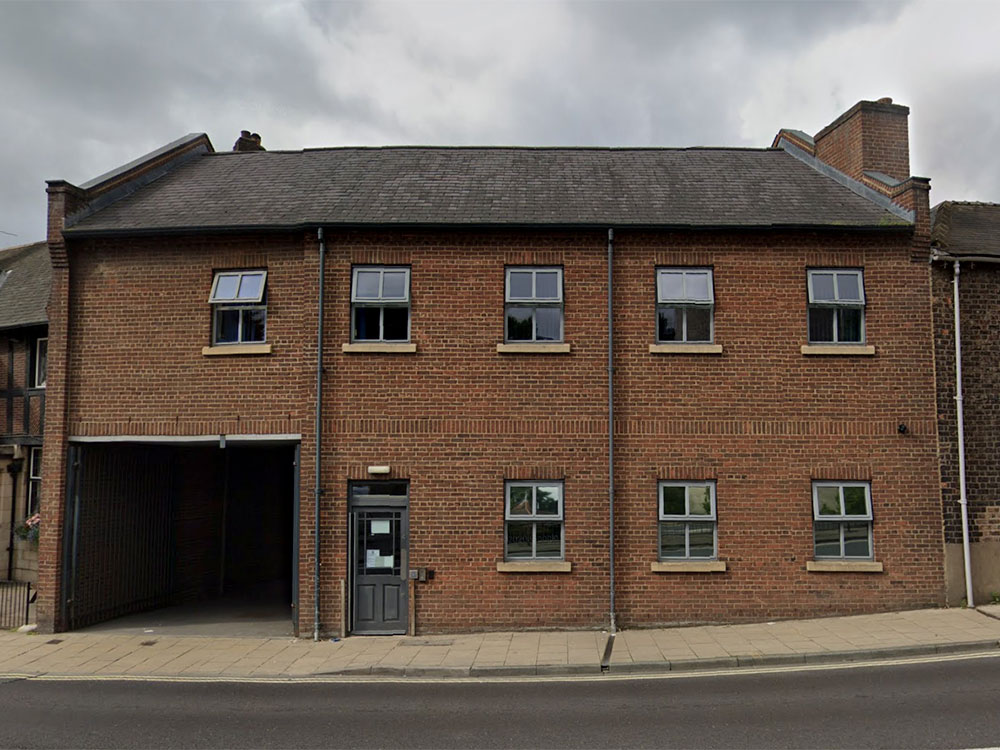
Officials stated people were staying in hostels longer than was ideal mainly because there was a lack of available properties to move on to, which the council aims to address.
Issues such as mental health and addiction typically get worse the longer people are left waiting to be housed which then requires more complex and costly support.
A total of 80 ‘Housing First’ cases have been dealt with by the council since the Homelessness Strategy was adopted in 2024, with 50 still active, according to the report.
The approach, which has been tried in Greater Manchester and Finland, aims to get people into permanent housing as quickly as possible and avoid the use of temporary accommodation.
Council officials are aiming to increase the authority’s stock of one-bedroom homes by 150 to cater to the extra 50 Housing First cases forecast by 2029.
Applications with the council for homes showed 800 of the 1,387 which were live as of Thursday, October 15 were for one-bed homes.
Options to tackle homelessness more broadly discussed at the council’s People Scrutiny Committee on Monday included increasing its stock of one-bedroom homes.
Proposals included acquiring more homes through Section 106 agreements with developers, leases and purchases and using empty void council houses.
They also include looking at using ‘Modular Housing’ such as converted shipping containers and garages with national funding coming after next March.
Officials stated innovative ideas put forward by organisations suggested accommodation could be quickly created that was indistinguishable from traditional homes.