




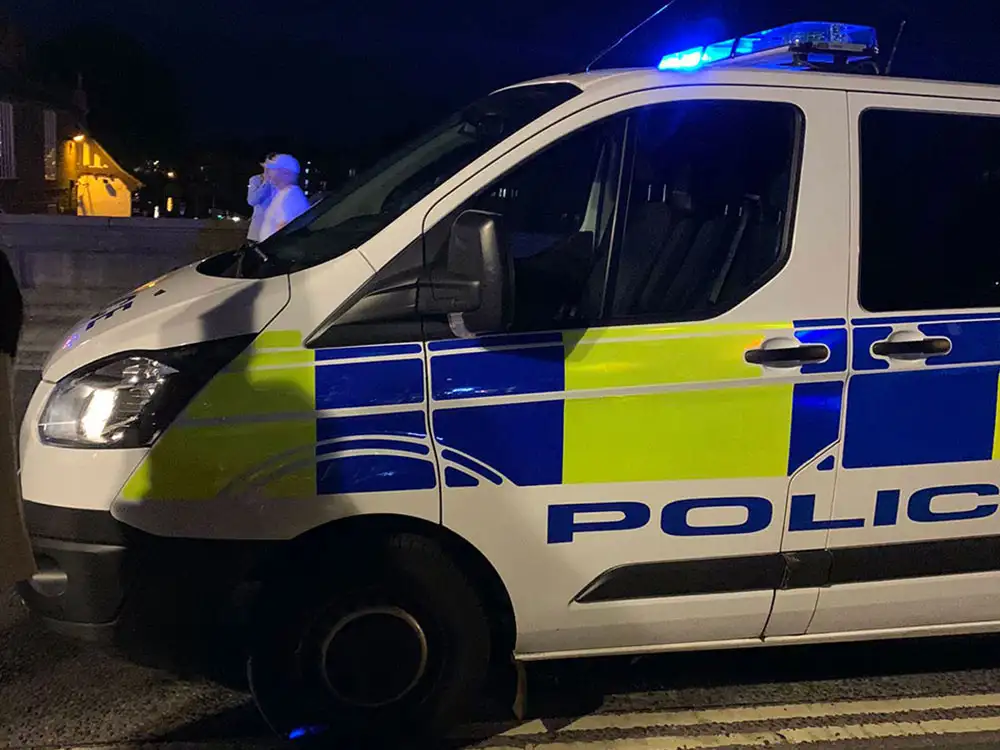

There are concerns that proposals to beef up powers to tackle disorderly drunken behaviour in York do not go far enough ahead of a council decision.
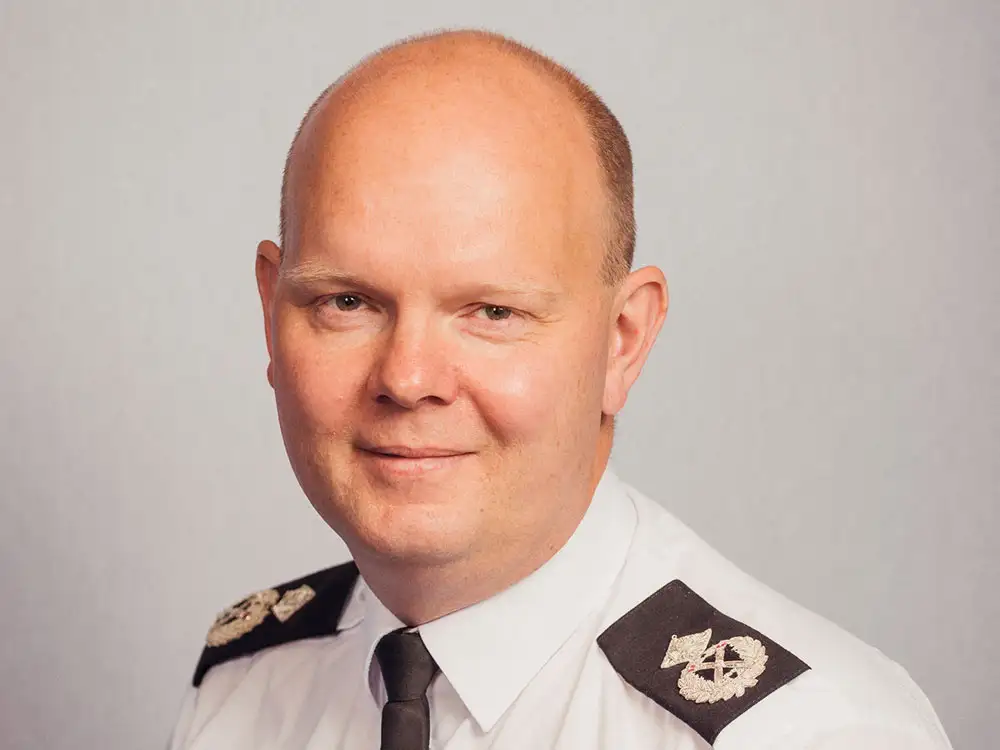
North Yorkshire Police Chief Constable Tim Forber said the proposals limited officers’ ability to prevent alcohol-related disorder and clarity was needed over what groups of people powers would apply to.
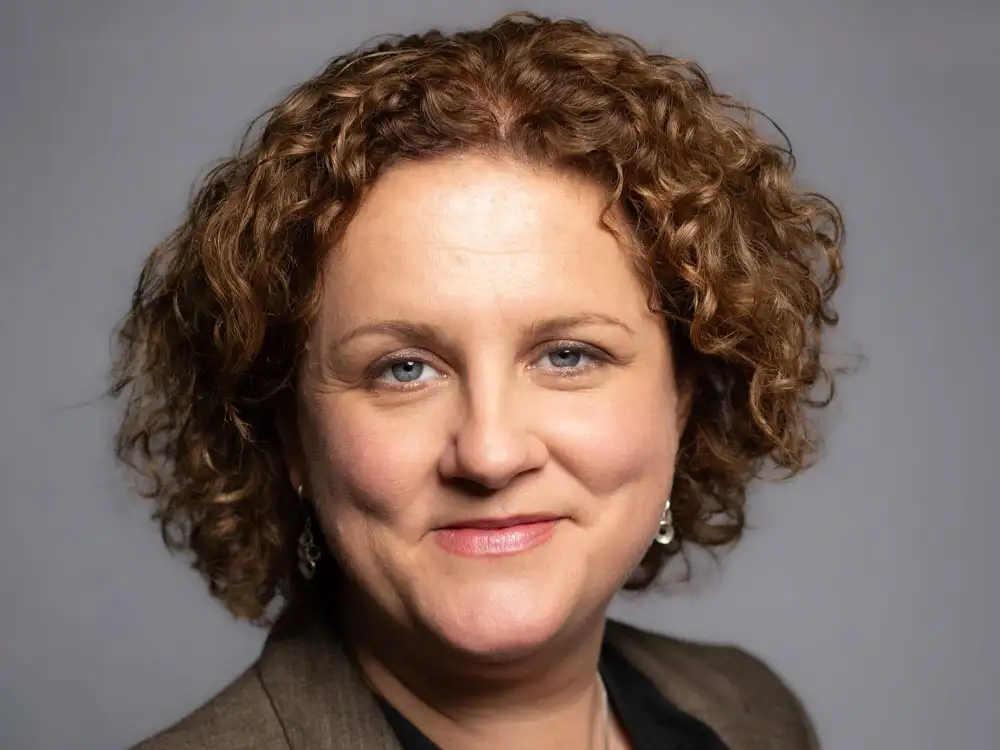
Jo Coles, North Yorkshire’s Labour deputy mayor for policing, said she was concerned it could see vulnerable people such as rough sleepers and the homeless targeted.
It comes as council officials have drawn up plans to crack down on city centre street drinking and antisocial behaviour by powers in an existing public space protection order (PSPO).
The council’s executive is set to decide on the measures on Tuesday (3 November).
A survey carried out by the authority in August and September garnered more than 500 responses, with people saying the behaviour was intimidating and damaging York’s reputation.
Proposals include powers to deal with groups of people shouting, being aggressive or disruptive or engaging in alcohol-fuelled behaviour likely to cause fear, abuse or confrontation.
They also include additional restrictions covering people persistently asking for money, food or other donations or pressuring or intimidating people into giving them added to the PSPO.
Following, nagging or blocking the path of people, hindering their passage or standing close to them in situations such as by a cash machine would also be covered.
Council officials stated evidence showed such behaviour was already having a detrimental effect on quality of life in the city centre and was not being adequately addressed by existing powers.
But Chief Constable Forber said that while the force supported the overall objectives of the proposals, there were concerns about powers particularly relating to alcohol-fuelled behaviour.
The police chief added the council also needed to set out what would be classed as disorderly group to avoid ambiguity.
He said: “While these measures provide an enforcement mechanism where antisocial behaviour, nuisance or disorder is already evident, they are inherently reactive in nature.
“From a policing perspective, this limits opportunities for early intervention and prevention.
“We remain concerned that the proposed provisions do not provide sufficiently robust preventative powers to address alcohol-related disorder at the earliest opportunity, nor do they set the standard that partners would wish to see in York city centre.”
Cllr Coles said assurances were needed that powers would be used fairly and proportionately.
The deputy mayor said: “Vulnerable groups cannot be unfairly targeted if they’re not breaking a law and may be in need of wider support.
“So while there will be circumstances where enforcement action is entirely appropriate, many individuals involved in street begging or rough sleeping may be better referred to support services across the city.”
Cllr Anna Perrett, the council’s Labour safer communities spokesperson, said she was grateful to all those who took part in the consultation on the proposals.
Speaking after the findings of the survey were revealed, the executive member said: “Your feedback helps us understand local experiences of anti-social behaviour and whether the additional PSPO conditions would be an appropriate and proportionate response.”